
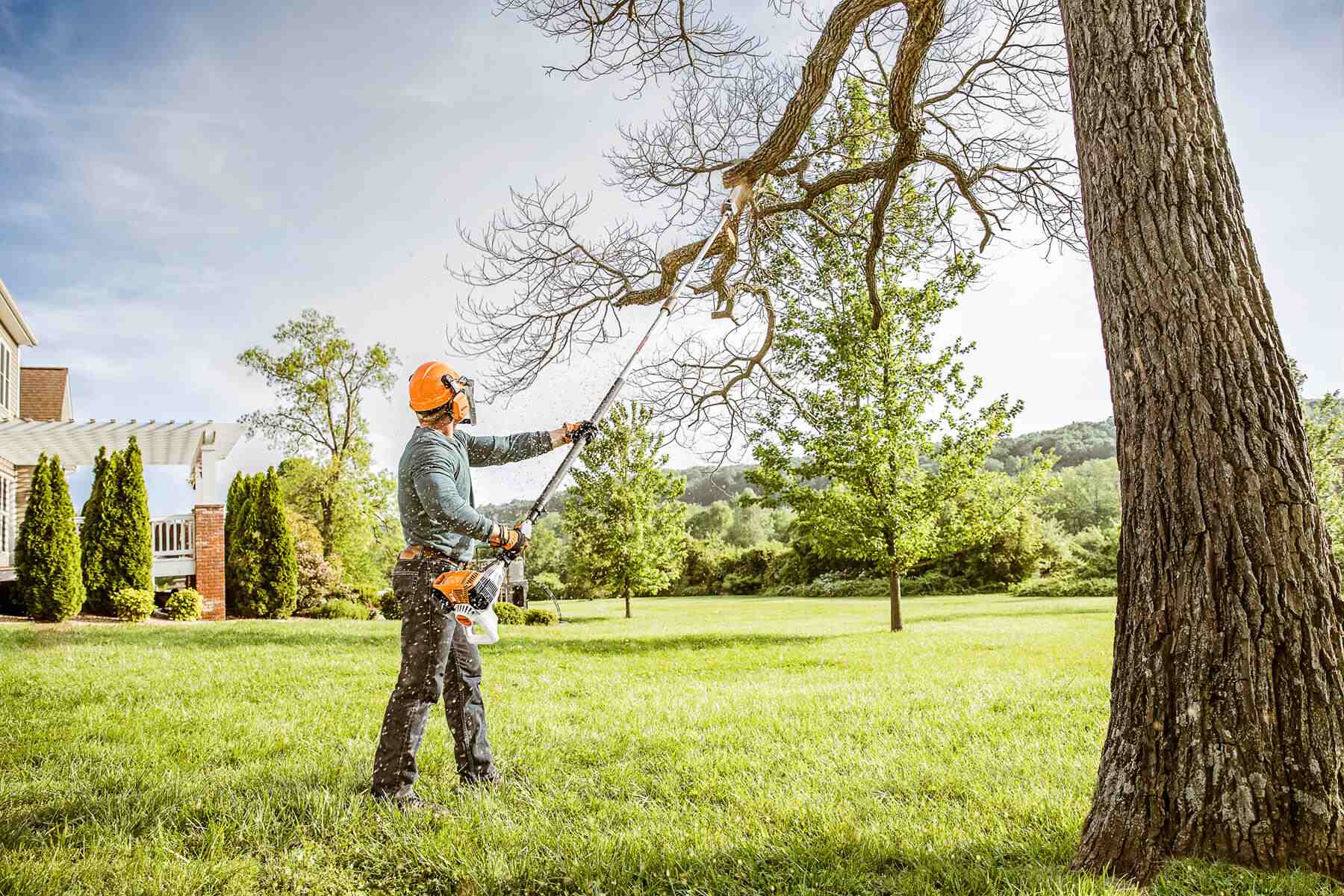
When a tree falls on your property, it can do more than just make a mess—it can cause damage, raise safety concerns, and trigger questions about who’s going to pay for the cleanup. If you’ve ever wondered whether your insurance will help cover tree removal costs, you’re not alone. This guide breaks it all down in plain English—what’s usually covered, what’s not, and how to navigate the process with as little stress as possible.
Does Homeowners Insurance Cover Tree Removal?
In many cases, yes—but only under certain conditions.
Most standard homeowners’ insurance policies will cover the cost of tree removal if the tree damages a covered structure, like your house, garage, shed, or even a fence. For example, if a tree crashes into your roof during a storm, your insurance provider will likely help pay for both the repairs and the tree removal.
But here’s the catch: if the tree falls and doesn’t cause damage, like just landing in your yard, you’ll probably be on the hook for the removal yourself. Insurance typically won’t cover the cost unless there’s structural damage involved.
Also, it matters how the tree fell. If a healthy tree falls because of wind or lightning, you’re usually covered. But if it was rotting or poorly maintained, the insurance company might say it’s your fault and deny the claim. That’s why regular tree maintenance isn’t just smart—it could protect your wallet.
Common Scenarios: What’s Covered vs. What’s Not
Let’s break down some common situations homeowners face and whether insurance usually steps in:
- Tree falls on your home: ✅ Covered
- Tree falls on your detached garage, fence, or deck: ✅ Covered (under “other structures”)
- Tree falls across your lawn but doesn’t hit anything: ❌ Not covered
- Neighbor’s tree falls on your property: ✅ Usually covered by your policy, but you can file a claim with their insurer if negligence was involved
- Tree removal due to rot or insect damage: ❌ Not covered if it’s been neglected
- Tree falls in a public storm but blocks your driveway: ✅ Sometimes covered if access is blocked or safety is at risk
Each policy is different, so it helps to review your coverage ahead of time—before trouble hits.
Will Insurance Pay for Tree Removal After a Storm in New Jersey?
Storms are unpredictable, and New Jersey gets its fair share—ice, wind, and heavy rain can all bring down trees in an instant. If your tree falls due to storm-related causes, like wind gusts or lightning, you’re generally protected, as long as it damages something on your property.
But it’s not always straightforward. If a storm knocks a tree onto your lawn and nothing else, insurance won’t help. However, if a tree blocks your only entry or exit, like a driveway, some companies might make exceptions due to safety concerns.
Also, if there’s a state of emergency or FEMA declaration, that can sometimes affect coverage or offer additional assistance. When storms hit hard, having a local, trusted partner—like a licensed arborist—makes a big difference. In towns like Washington, NJ, professional services that offer emergency tree cleanup can handle the dangerous jobs and help with the insurance paperwork, too.
Tree Damage Prevention and Your Insurance Premium
What many homeowners don’t realize is that preventative care can impact your insurance coverage—and even your premium.
Insurance companies love when you take care of your trees. If you’re regularly pruning, removing dead branches, and checking for diseases, it lowers the risk of damage during storms. In fact, letting a tree rot or lean dangerously close to your house can actually void your coverage if it falls and causes damage.
Certified arborists can help spot problems early, recommend treatment, or remove dangerous trees. Getting a tree inspection isn’t just good for safety—it could make the difference between a paid claim and an out-of-pocket disaster.
Insurance Claim Process: Step-by-Step Guide
If you’re dealing with tree damage and want to file a claim, here’s what to do:
- Take Photos Immediately
Document the fallen tree, the damage to your property, and any blocked access. The more evidence you have, the better. - Call Your Insurance Company
Report the incident and ask for details about what’s covered. Make note of any claim numbers or case agents. - Contact a Licensed Tree Service for an Estimate
Insurers usually require a professional estimate for tree removal. Work with a company that understands claims and can provide proper documentation. - Keep Receipts
Save everything—especially if you pay for temporary repairs or emergency services. - Wait for the Adjuster
Most claims require an adjuster to visit the property. Walk them through the damage and show them the estimates. - Follow Up
If your claim is approved, the insurance company will cut a check to cover repairs and insured tree removal (as long as it meets policy requirements).
Why Choose a Licensed and Insured Tree Service After a Claim?
When it comes to insurance claims, who you hire matters. Your insurance company wants proof that the job was done right and that your contractor is fully licensed and insured. That’s why working with professionals like insured tree removal companies is critical.
Licensed companies protect you from liability if something goes wrong during the job. They also know how to handle emergency removals safely—especially if power lines or structures are involved. A company like Midstate Tree not only provides 24/7 emergency help but also works directly with insurers to make the claim process smoother.
FAQs: Tree Removal and Home Insurance in NJ
Do I need to pay out of pocket first?
In most cases, yes—especially if it’s below your deductible. You’ll be reimbursed if the claim is approved.
Does insurance cover tree root damage to plumbing or foundations?
Usually not. Tree root intrusion is considered gradual damage and not sudden or accidental, so it’s excluded.
Will my premium go up after a claim?
Possibly. Any claim could lead to a premium increase, especially if it’s your second or third in a short time. But safety and emergency claims are less likely to impact you long term.
How Midstate Tree Can Help with Insurance-Related Tree Removal
Tree trouble doesn’t wait for business hours, and neither does Midstate Tree. Whether a storm hits at midnight or a tree starts leaning after a heavy rain, their certified arborists are ready.
- Free estimates for insurance purposes
- Fully licensed and insured crew (NJTC#939369)
- 24/7 emergency response in Washington, NJ and surrounding areas
- Safe, efficient crane-assisted removals
- Claim documentation and adjuster coordination
They even offer a Best Price Guarantee, beating any written estimate from another licensed and insured company by 10%. When every dollar counts after storm damage, that kind of deal matters.
Final Thoughts: Be Prepared Before the Next Storm
Tree damage can happen fast, but preparation can help you avoid headaches later. Know what your insurance covers, keep your trees healthy, and have a trusted tree service on call.
When the wind picks up and branches start falling, it pays to have a plan—and a partner like Midstate Tree.


