
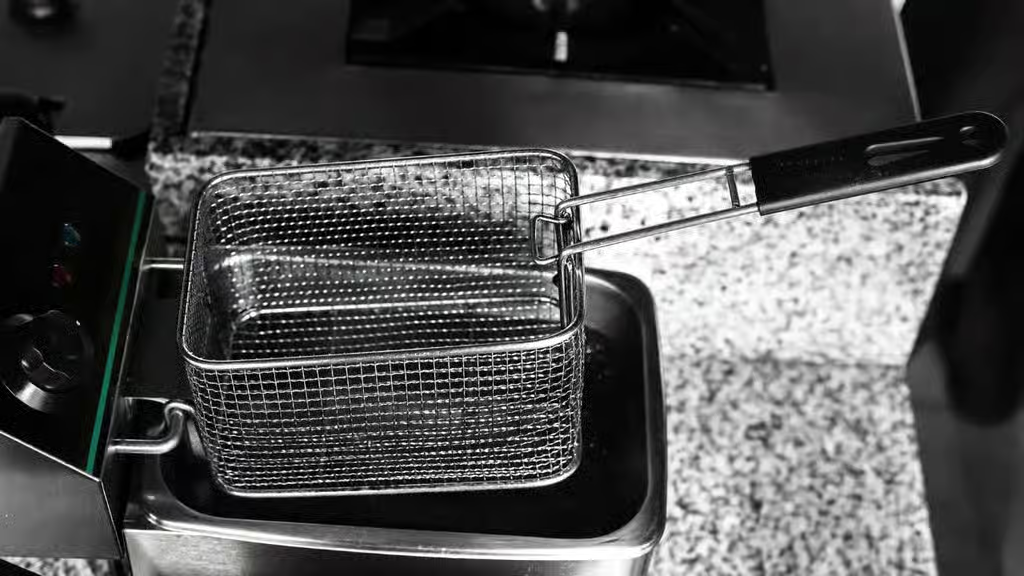
In the culinary world, consistency is key. Whether it’s a bustling restaurant or a small food stand, delivering dishes with consistent quality is crucial for maintaining customer satisfaction and loyalty. One aspect that significantly influences food consistency is the condition of cooking oil used in deep frying. Deep fryer oil filtration has emerged as an effective method to enhance food consistency by ensuring that the oil remains clean and fresh over multiple uses.
Deep frying involves submerging food in hot oil, which cooks it quickly while creating a crispy exterior and retaining moisture inside. However, during this process, tiny particles from the food can contaminate the oil. These particles include breading crumbs, batter pieces, and even burnt bits from previous batches. As these impurities accumulate over time, they degrade the quality of the oil, affecting its flavor profile and heat transfer properties.
Oil degradation can lead to inconsistent cooking results; some batches may come out perfectly golden brown while others appear darker or unevenly cooked. Additionally, degraded oil can impart off-flavors to fried foods, compromising their taste and overall appeal.
Implementing Deep fryer oil filtration systems addresses these issues effectively. Filtration systems work by removing unwanted particles from the oil after each use or at regular intervals during service hours. This process not only extends the life of cooking oils but also maintains their optimal performance levels.
By keeping frying oils cleaner for longer periods through regular filtration practices, establishments ensure that every batch of fried foods meets expected standards consistently—regardless of how busy operations may get throughout peak times like lunch rushes or dinner services when demand surges unexpectedly high without warning beforehand!
Moreover: another benefit worth mentioning here relates directly back towards cost savings associated with reduced waste generation since less frequent changes mean fewer expenses incurred replacing old supplies unnecessarily due solely upon spoilage concerns alone (which would otherwise necessitate disposal altogether).
Furthermore: beyond just improving product output itself via enhanced uniformity achieved alongside healthier alternatives offered simultaneously too!